

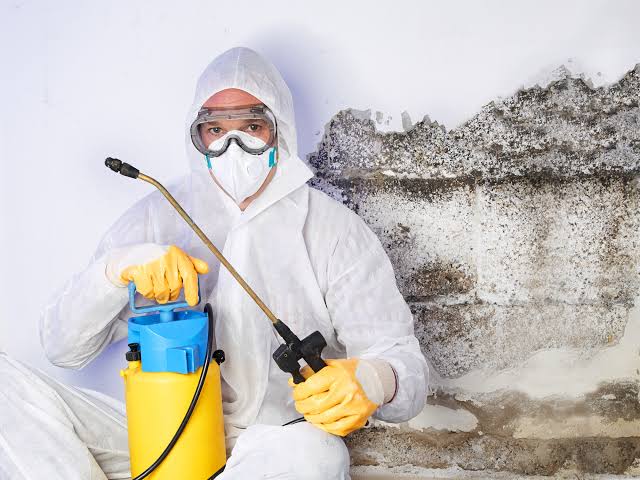
Finding mould in your home or workplace is unpleasant, and the instinct to grab a spray bottle and deal with it yourself is understandable. For small, isolated patches, that instinct is often fine. But professional mould removal exists for a reason: mould is rarely just a surface stain, and treating it as one can mean the problem returns within weeks, sometimes worse than before. This article looks honestly at where DIY mould treatment falls short, what a professional assessment and treatment actually involves, the equipment specialists use that most households simply don’t have, and how to tell whether your situation is a quick weekend job or one that needs expert attention.
The Limitations of DIY Mould Removal
Household mould sprays and bleach solutions can lift visible staining from a hard, non-porous surface reasonably well. The trouble is that most real-world mould problems aren’t that simple.
Spreading Spores Instead of Removing Them
Dry-brushing, sanding, or aggressively scrubbing mould without proper containment can disturb colonies and release large numbers of spores into the air. Rather than solving the problem, this can spread it to previously unaffected rooms, soft furnishings, and HVAC systems, and increase airborne exposure for anyone in the property at the time.
Treating the Symptom, Not the Cause
Bleach and shop-bought sprays are good at removing surface colour but poor at penetrating porous materials such as plasterboard, timber, grout, or fabric, where mould roots (hyphae) can sit below the visible surface. If those roots survive, the mould typically returns, often within a similar timeframe, because the underlying moisture source was never addressed either.
Health Exposure During Treatment
Without appropriate respiratory protection, gloves, and eye protection, DIY treatment can expose the person doing the work to a concentrated dose of spores and mycotoxins in a short space of time, precisely the scenario health guidance around mould generally advises against, particularly for anyone with asthma, allergies, or a compromised immune system.
Working on the Wrong Type or Extent of Growth
Not all mould looks the same, and some situations, such as mould found inside wall cavities, under flooring, or covering a large surface area, are genuinely beyond what a domestic clean-up can safely or effectively resolve.
What a Professional Mould Assessment Involves
A specialist visit typically starts with identifying the problem properly before any treatment begins.
- Source identification — establishing whether the cause is condensation, a plumbing leak, rising or penetrating damp, or poor ventilation, since treating mould without fixing the moisture source is only ever a temporary measure.
- Extent mapping — checking whether growth is confined to a visible patch or has spread within cavities, behind furniture, or under coverings.
- Risk assessment — considering the affected material, the size of the area, and who uses the space, to decide on the right method and level of containment.
- A treatment plan — outlining the steps needed, realistic timescales, and what the occupant needs to do afterwards to prevent recurrence.
What Professional Treatment Typically Includes
Professional mould treatment tends to follow a more structured process than a domestic clean:
- Containment — sealing off the work area where appropriate to stop spores travelling to unaffected parts of the property during treatment.
- Removal or treatment of affected material — cleaning hard surfaces thoroughly, and in some cases removing and safely disposing of badly affected porous materials that cannot be fully restored.
- Disinfection — applying appropriate antimicrobial treatments to kill remaining spores on and around the affected area, not just wipe away visible staining.
- Drying and air management — using equipment to bring moisture levels down so conditions are less favourable for regrowth.
- Guidance on prevention — practical advice on ventilation, heating, and moisture control so the problem doesn’t simply return.
Equipment and Products Specialists Have Access To
Part of the value in hiring a specialist is access to tools and products that aren’t typically sold to, or practical for, individual households.
- Professional-grade antimicrobial and fungicidal treatments formulated for penetration and residual protection, rather than surface bleach.
- HEPA-filtered extraction and air scrubbing equipment, which captures airborne spores during and after treatment rather than letting them resettle.
- Moisture meters and thermal imaging, used to find damp sources and hidden pockets of moisture that aren’t visible to the naked eye.
- Industrial dehumidification equipment, which brings a space down to a safe moisture level far faster than a domestic dehumidifier.
- Appropriate personal protective equipment (PPE), rated for the scale of the job, protecting the operator throughout.
DIY vs Professional: A Practical Guide
When DIY Is Genuinely Fine
- A small patch of surface mould on a bathroom tile, sealant, or windowsill, typically under roughly A4 size.
- Growth caused by an obvious, easily fixed condensation issue (for example, drying clothes indoors without ventilation) with no recurring history.
- No underlying damp problem, and the household has no particular vulnerability such as asthma or a compromised immune system.
When You Should Call a Specialist
- Mould covering a large area, or that keeps returning after cleaning.
- Mould in a property being sold, let, or handed over, where documentation of proper treatment may be useful.
- Visible mould combined with a musty smell in areas you can’t see, such as behind wardrobes, under flooring, or within cavity walls.
- A vulnerable occupant (infant, elderly person, or someone with respiratory conditions) living in the affected space.
- Mould following a flood, leak, or prolonged damp event.
- Uncertainty about the cause, which is often the biggest red flag that a proper assessment is needed.
Questions to Ask Before Hiring a Mould Specialist
- What does your assessment process involve, and will you identify the cause, not just treat the symptom?
- What products and methods will you use, and are they appropriate for the material affected?
- Will the work area be contained to prevent spores spreading to the rest of the property?
- What guidance will you give on preventing the mould from returning?
- Do you provide a written report or summary of the work carried out?
Asking these questions upfront helps separate a thorough service from a quick spray-and-go visit that won’t hold up over time.
What Happens If Mould Is Left Untreated?
It’s worth understanding why acting on mould matters, beyond simply not liking the look of it. Left untreated, mould tends to spread gradually as spores establish new colonies wherever conditions are favourable, particularly if the moisture source causing it remains unresolved. Over time this can mean growth moving from a small patch to covering a larger area, or spreading from one room to adjoining ones with similar humidity conditions.
There’s also a material impact to consider. Prolonged mould growth on plaster, timber, or fabric can weaken or degrade the material itself, which is part of why early treatment tends to be considerably cheaper and less disruptive than dealing with an established, long-standing problem. And while most healthy adults will only experience mild irritation from typical household mould exposure, prolonged exposure in a poorly ventilated space is generally something worth avoiding, particularly for households with young children, elderly residents, or anyone with existing respiratory sensitivities.
None of this is intended to cause alarm, most mould situations are manageable and not a health emergency, but it does explain why “leave it and see” is rarely the best approach once mould has been spotted.
The Cost of Getting It Wrong
There’s a practical financial angle to the DIY-versus-professional decision too. A failed DIY attempt doesn’t just cost the time and products used the first time round, it often means:
- Paying for a professional visit anyway, once the DIY approach hasn’t worked, effectively duplicating the cost.
- Redecorating twice, if mould has bled through paint or wallpaper applied over an incompletely treated surface.
- A larger job by the time it’s addressed properly, since untreated mould tends to spread rather than stay static.
- In rental or sale situations, delays or complications if mould is discovered during a survey or inspection after a DIY treatment has masked rather than resolved the underlying issue.
Weighing this against the cost of a proper assessment upfront often makes professional treatment the more economical choice for anything beyond a genuinely minor patch, not just the safer one.
Frequently Asked Questions
Can I just paint over mould instead of removing it?
No. Painting over mould without properly cleaning and treating the surface first traps spores beneath the paint layer. It may look resolved temporarily, but the mould typically reappears, sometimes bleeding through the new paintwork, because the underlying growth and moisture source haven’t been addressed.
Is bleach effective for mould removal?
Bleach can remove surface staining from hard, non-porous surfaces such as tiles, but it’s generally ineffective on porous materials like plasterboard, timber, or grout, where it struggles to reach mould roots. It also doesn’t address the moisture source, so regrowth is common.
How do I know if mould in my home is dangerous?
Most household mould causes irritation rather than serious illness in healthy adults, though reactions vary and can be more significant for people with asthma, allergies, or weakened immune systems. If you’re concerned about health symptoms, it’s worth speaking to your GP or checking NHS guidance, alongside getting the mould itself professionally assessed.
Will professional mould removal stop it coming back permanently?
Professional treatment significantly reduces the chance of recurrence by addressing both the visible growth and, where identified, the moisture source. However, long-term prevention also depends on ongoing ventilation, heating, and maintenance in the property after treatment.


